
Financing Structured for Project Execution and Asset-Based Operating Models
Grounded in project timing, contract visibility, and cash-flow durability
Construction, real estate, and property service businesses operate in project-driven environments where execution discipline, timing, and cost control determine outcomes. Liquidity is shaped by billing schedules, collections, and project sequencing rather than steady recurring revenue.
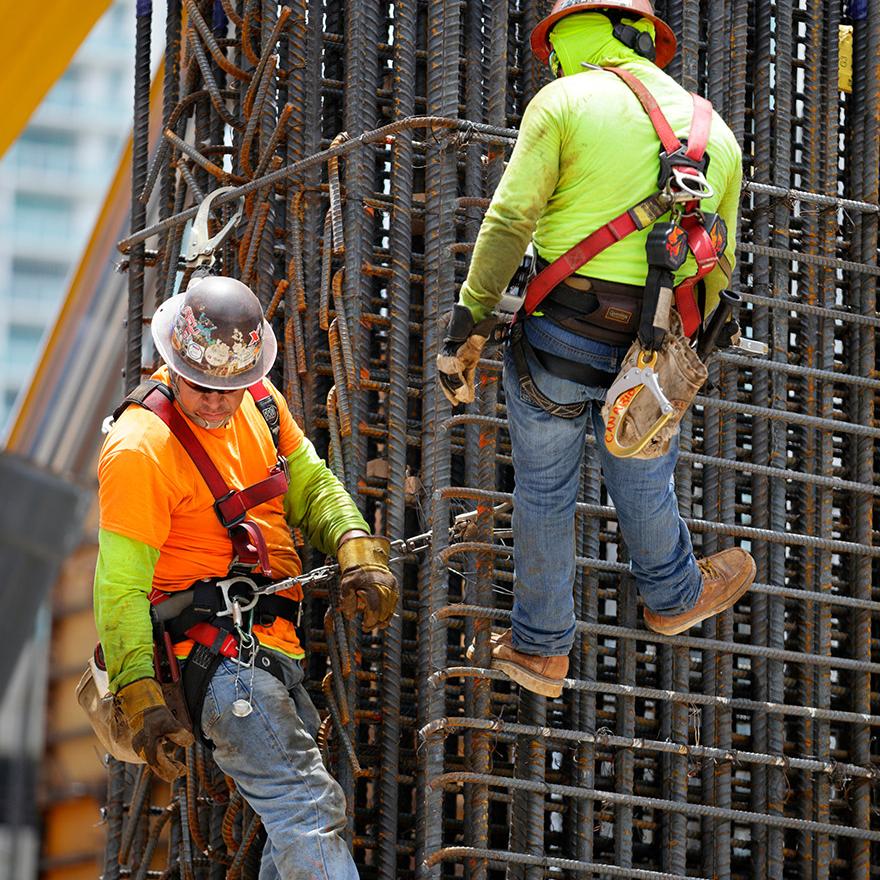
Project-driven businesses are defined by contract structure, execution timelines, and cost management. Financing must reflect these dynamics, supporting delivery without creating mismatches between funding availability and project progression.
A Tailored Approach to Construction and Property Financing

In project-driven sectors, financing is effective only when repayment capacity reflects contract visibility and billing cycles.
Sector Characteristics
Execution and timing as core considerationsLiquidity is influenced by progress billing, holdbacks, project schedules, and cost variability. Capital needs often relate to equipment, bonding support, project working capital, and asset-based funding through stabilization phases.Lenders focus on contract visibility, execution track record, cost controls, governance, and cash-flow timing.
Financing Considerations
Maintaining liquidity through executionFinancing structures must support overlapping projects and variable cash inflows without disrupting delivery. Repayment is aligned with billing and collection timing, preserving flexibility across project cycles.
Structuring Approach
Designed around contracts and cash-flow timingFinancing is structured around project mix, contract terms, and execution cadence, supporting working capital and asset requirements while maintaining lender confidence throughout delivery.
Strengthening Performance in Construction, Real Estate & Property Services
Execution discipline and financial control
Well-structured financing improves execution discipline, strengthens planning visibility, and protects liquidity across project cycles, supporting controlled growth without increasing execution risk.

Yes. Uneven cash flow is normal in project-based environments. Lenders focus on contract quality, execution discipline, and the reliability of billing and collections rather than smooth monthly results.
Progress billing drives when cash comes in. Financing must be structured to follow billing milestones and collection timing so projects can move forward without liquidity gaps.
They look at past delivery, contract terms, cost controls, project governance, and how consistently the business bills and collects. Execution history matters more than projections alone.
Yes, as long as the business has the operational capacity and financial visibility to manage overlapping timelines. Financing is structured around aggregate cash-flow timing, not individual projects in isolation.
Contract visibility, margin control, execution capability, and cash-flow timing. Strong project management and financial oversight significantly improve financing flexibility.
Financing designed to support your business.
Start a Converstation
+1(514) 475-2963